An introduction to fascia.

An introduction to fascia.

Fascia is the flexible and strong connective tissue that surrounds and supports every structure in the body. It is a specialized system of the body that has an appearance similar to a spider’s web. Fascia is very densely woven in some areas of the body and very loose and stretchy in other areas. It covers and interpenetrates every muscle, bone, nerve, artery, and vein, as well as all of our internal organs, including the heart, lungs, brain, and spinal cord.

Fascia is fascinating and complex. This short video will go over the basics of fascia and its numerous functions throughout the body. We’ll discuss why and how fascia becomes tight, risk factors for tightness, and the effect tight fascia has on the body. Finally, we’ll touch on how to return fascia to its loose, natural state. Digesting some basic information on fascia will give you some appreciation for why the principles for stretching and releasing fascia are different from traditional stretching.

Resources to learn more about fascia.

I have many links and resources on my website: Welcome to... - Mayer Wellness & Myofascial Release, LLC

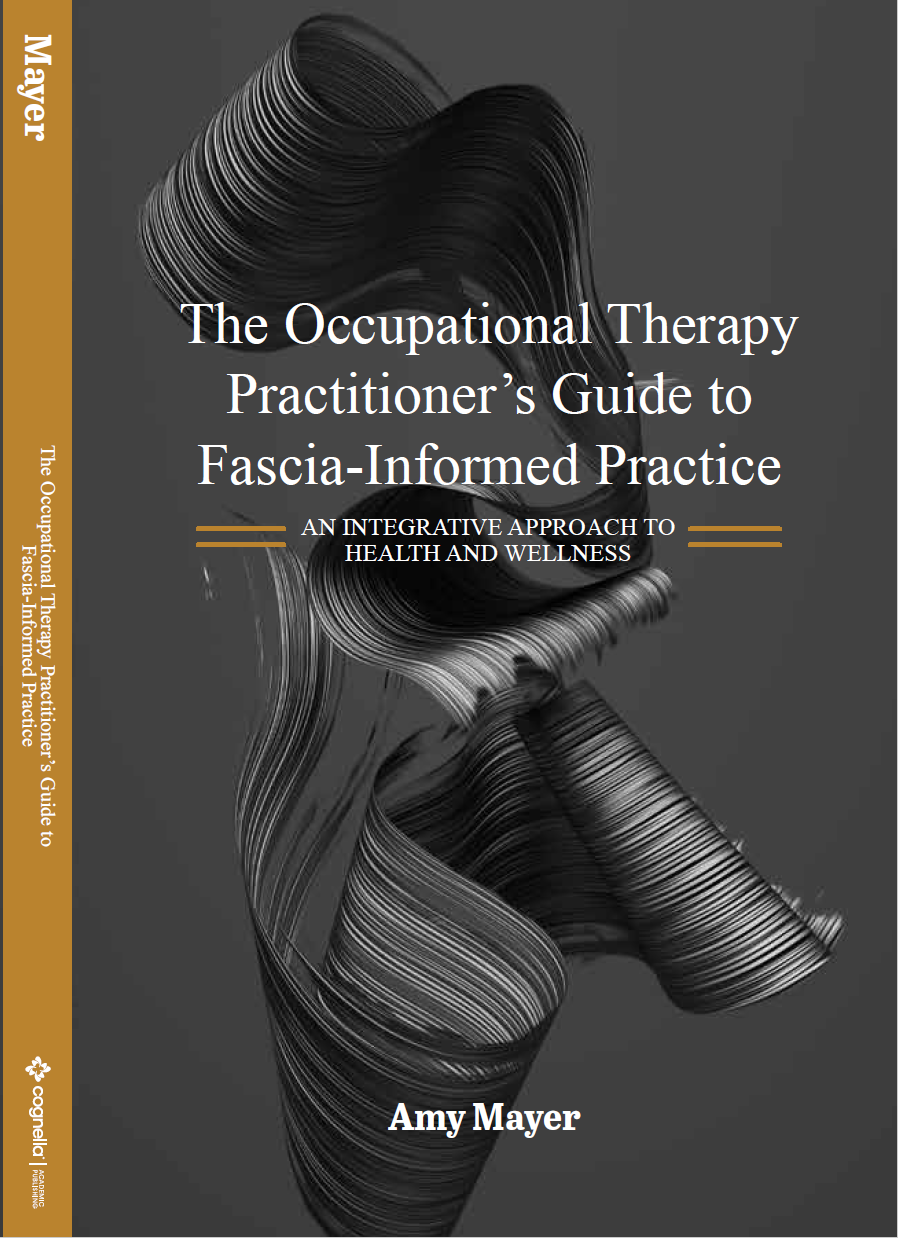
I also was asked to write a textbook for my fellow occupational therapy practitioners, but it is very readable for the public!

You can find the book in the following locations:

  • Cognella Academic Publishing

  • Barnes & Noble Books

  • Amazon

A Beginner's Guide to Myofascial Release Self-Treatment

Buy nowLearn more

Introductions

  • Introduction to the course.
  • Meet the instructor.
  • Safety first!
  • An introduction to fascia.
  • The Myofascial Principles
  • Space and Equipment
  • Diaphragmatic Breathing: A Foundational Skill
  • Complete the personalized pain assessment and learn how to determine the releases YOU need most.

Applying the principles to stretches you can do with basic equipment anywhere.

  • Stretches for the lower body.
  • Stretches for the back.
  • Stretches for the shoulders.
  • Stretches for the neck.

Using simple equipment to advance your stretching skills.

  • A Quick Review
  • Releasing the feet.
  • Releasing the calves and thighs.
  • Releasing the hips.
  • Releasing the low and mid-back.
  • Releasing the upper back and shoulders.
  • Releasing the neck and jaw.

Post stretching movement recommendations.

  • Drink water.
  • Simple movement recommendations to support your healing.

Creating your plan for healing and wellness.

  • Creating your myofascial self-care plan.
  • Recommendations for improving fascia wellness.
  • Thank you!

Bonus Material! Three full length myofascial stretching classes with several new self-care releases! AND my self-treatment ebook.

  • Stretch Along with Me
  • Lower Body Class
  • Upper Body Class
  • Common Trouble Spots: Back, Shoulders, Knees
  • Four Standing Stretches
  • eBook Bonus